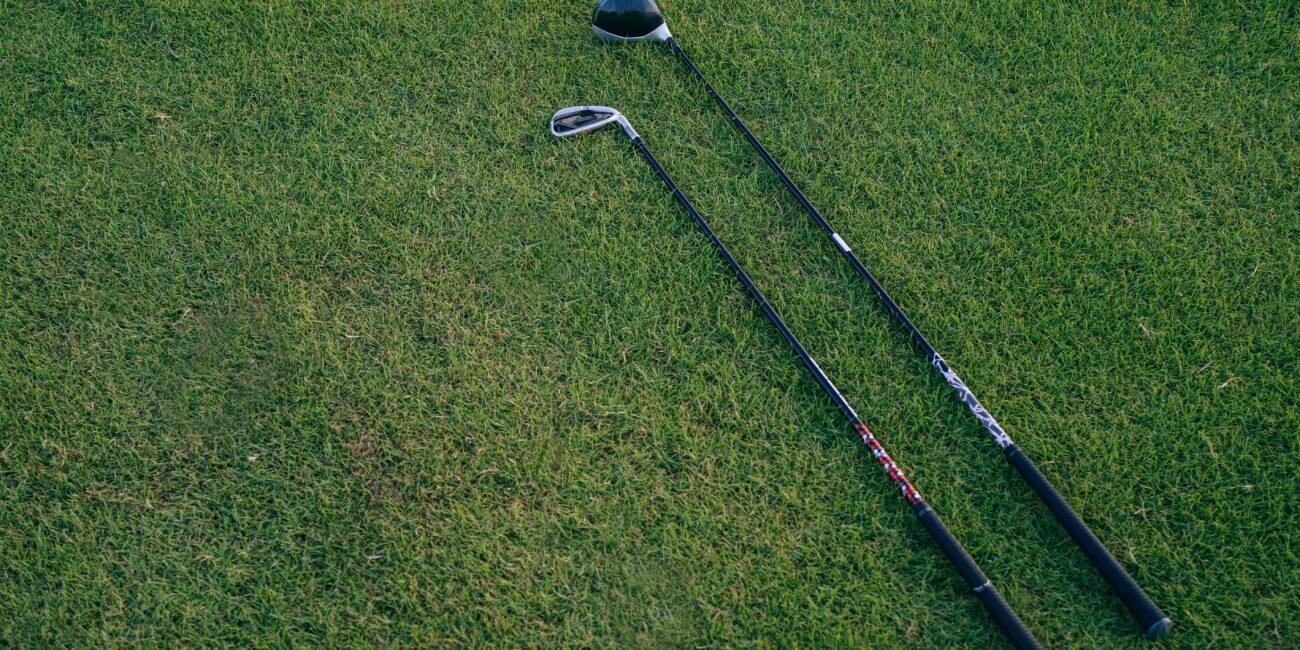
Starting golf can feel overwhelming, especially when you walk into a golf store or browse online and see dozens of different clubs. Drivers, fairway woods, hybrids, irons, wedges, putters, it’s easy to think you need every club available to play well. The truth is, most beginners don’t need a full 14-club set to enjoy the game and improve.
If you’re just getting started with indoor golf or playing on a traditional course, the right clubs can make learning easier without breaking the bank. Here’s what you actually need as a beginner and what can wait until your skills develop.
Do You Need All 14 Golf Clubs?
According to the rules of golf, you’re allowed to carry up to 14 clubs during a round, but that’s a maximum, not a requirement.
Many beginners start with 7–10 clubs, which is more than enough to learn the fundamentals. Having fewer clubs can actually simplify decision-making and help you become more consistent.
Rather than filling your bag immediately, focus on clubs that are forgiving and versatile.
The Essential Clubs Every Beginner Needs
Driver
The driver is designed for long shots off the tee on par 4s and par 5s.
Modern beginner drivers feature larger clubheads and more forgiveness, making it easier to hit straighter shots even if you don’t strike the ball perfectly.
If you’re nervous about using a driver, don’t worry, many beginners spend more time learning with shorter clubs first before gaining confidence with it.
Hybrid Club
One of the best clubs for new golfers is a hybrid.
Hybrids combine features of woods and irons, making them significantly easier to hit than traditional long irons. They work well from:
- Fairways
- Light rough
- Tee boxes on shorter holes
Many golfers eventually replace their 3- or 4-irons entirely with hybrids because they’re simply more forgiving.
Mid Irons (6–9 Iron)
These clubs will likely become the foundation of your game.
Mid irons are used for approach shots and learning consistent ball striking.
A beginner could comfortably start with:
- 6 Iron
- 7 Iron
- 8 Iron
- 9 Iron
The 7 iron, in particular, is often considered the best practice club because it offers a great balance between distance and control.
Pitching Wedge
The pitching wedge is essential once you’re close to the green.
It’s commonly used for:
- Short approach shots
- Chip shots
- Learning distance control
Many beginners use their pitching wedge more than almost any other club outside of their putter.
Putter
No golf bag is complete without a putter.
Since nearly 40% of your strokes happen on the green, learning to putt well can lower your scores faster than trying to hit longer drives.
Fortunately, beginners don’t need an expensive putter. The most important factor is choosing one that feels comfortable and helps you consistently aim the ball.
Clubs You Can Wait to Buy
As exciting as it is to own a complete set, some clubs aren’t necessary when you’re just starting.
You can comfortably wait before purchasing:
- 3 Wood
- 5 Wood
- 3 Iron
- 4 Iron
- Gap Wedge
- Lob Wedge
- Specialty wedges
These clubs become more useful as your swing becomes more consistent and you learn to control different shot types.
Practice matters more than equipment, with virtual golf simulators like TrackMan, beginners receive instant feedback on important data such as:
- Club path
- Ball speed
- Launch angle
- Carry distance
- Shot shape
This immediate feedback helps golfers improve much faster than simply guessing what went wrong after each swing.